8 Tips for the Best Dining Experience in Italy
How many times have you heard someone come back from a trip to Italy and have only bad things to say about the food and restaurants? As an Italy tour guide and trip planner, I hear this more often than I’d like. Dining in Italy is one of the best parts of the trip, but it can feel intimidating if you are not sure how things work. The good news is that a little understanding goes a long way, and once you know the flow, eating out becomes relaxed, enjoyable, and memorable.
1. Choosing a Restaurant
This might be the most important part of making your mealtime experience amazing. I’ve heard horror stories about tourists heading into Italy with little to no plan on where to eat. While you don’t need to have this totally figured out, it’s a good idea to at least know how to find a restaurant on the spot.
- Walk a few blocks off main tourist streets - even two blocks away, most tourists won’t stray.
- Look for menus focused on fewer dishes and seasonal ingredients - it means it’s made with fresh ingredients, not frozen.
- Look for menus that are NOT laminated and are only in Italian (or some English), not 17 different languages
- Locals eating there is always a good sign - just listen for people speaking Italian.
- Watch out for red flags like photos of every dish, aggressive hosts calling you in, or menus in ten languages
2. Reservations Matter More Than You Think
You don’t have to make reservations for restaurants, but if you are interested in eating at a specific restaurant, it’s better to make the reservation. Don’t worry, though, if you don’t have a one, you can still find amazing restaurants and food by following the suggestions for choosing a restaurant. Depending on the restaurant, you may need to reserve your table weeks in advance or just the day before.
- You can make reservations online, by phone, or in person (each restaurant is different)
- Showing up early is better than late
- Some restaurants don’t take reservations; instead, you wait in line outside, so go early.
- If you do not have one, ask anyway. Sometimes they can get you in without one.
3. When Italians Eat
Dinner in Italy may feel strange for most Americans. We are used to eating between 5 pm and 8 pm. However, in Italy, restaurants for dinner don’t even open until 8 pm. Most places are closed between lunch and dinner as well.
- Lunch is usually around 12:00 to 3:00 pm
- Dinner often starts at 7:30 or 8:00 pm
- Apperitivo is just before dinner, around 6 pm
- If a restaurant is open between meals, it typically caters to tourists
- You can find sandwiches, pizza, and small plates at bars (cafes) between meals
4. Understanding the Italian Meal Structure
This is one of the most misunderstood parts of dining in Italy, and it’s also the part that causes the most unnecessary stress. People feel like they are doing something wrong or that they are expected to order a certain way. That’s not how Italians approach meals at all.
There is a traditional structure to an Italian meal, but it’s a framework, not a requirement. Italians order what they want, based on hunger, time, and mood. You will never be judged for ordering less.
The traditional flow looks like this:
- Antipasto – appetizers like cured meats, cheeses, vegetables, or small starters. Completely optional.
- Primo – pasta, risotto, gnocchi, or soup. This is often the star of the meal.
- Secondo – meat or fish. Portions are typically smaller than American entrées.
- Contorno – vegetables, ordered separately from the secondo. They do not automatically come together.
- Dolce – dessert, if you want it.
- Caffè – espresso, almost always after the meal.
- Digestivo – optional after-dinner drink like limoncello or amaro.
You can order just one course. You can share dishes. You can stop whenever you’re full. There is no expectation to “complete” the meal. Eating well in Italy is about enjoyment, not rules.
5. Water and Drinks
Ordering drinks in Italy is simple, but it often surprises travelers because it’s different from what they’re used to.
Shortly after you sit down, you’ll be asked if you’d like water. The server will usually ask if you want still or sparkling, and that’s completely normal.
A few things to know:
- Tap water is not typically offered in restaurants, even though the water is safe to drink.
- Bottled water is standard and inexpensive.
- Wine by the glass is very common and often excellent.
- House wine is usually local and a great choice.
- Cocktails are more common during aperitivo, not with dinner.
- Espresso comes after the meal, never with it.
You don’t need to overthink drinks. Order what you enjoy. Italians care far more about the food than what’s in your glass.
6. Asking for the Bill
This is one of the biggest cultural differences between dining in Italy and dining in the US, and it catches almost everyone off guard the first few times.
In Italy, servers will not bring the bill unless you ask for it. This is intentional. The table is yours until you say otherwise.
Here’s what that means in practice:
- You will almost always need to ask for the bill
- “Il conto, per favore” is polite and completely normal
- Servers are not ignoring you or forgetting you
- You are not expected to rush
- Sitting, talking, and lingering are part of the dining experience
If you are finished and ready to leave, just ask. If you want to sit for another 20 minutes and talk, that’s perfectly acceptable too.
7. Tipping in Italy
Tipping causes a lot of anxiety for travelers, mostly because people are worried about being rude. The good news is that tipping in Italy is very simple.
Unlike in the US, servers in Italy are paid a living wage. Tipping is not built into their income in the same way.
Here’s how it works:
- Tipping is not expected the way it is in the US
- Rounding up the bill or leaving small change is appreciated but optional
- Coperto is a cover charge for the table, bread, and service, not a tip
- Servizio means service is already included
- You do not need to calculate percentages
If you receive excellent service and want to leave something extra, you can. If you don’t, no one will think twice about it.
8. Little Things That Make a Big Difference
These are small cultural details that can help you feel more comfortable and confident when dining in Italy. None of these are strict rules, but knowing them ahead of time can help you relax.
- Cheese is generally not added to fish or seafood dishes
- Cappuccino is considered a morning drink, not something ordered after meals
- Leftovers and takeaway are uncommon, but it’s okay to ask
- House wine is often local, affordable, and very good
- Bread is meant to accompany the meal, not dipped in olive oil unless it’s served that way
The most important thing to remember is that Italians are not looking to catch tourists doing something wrong. A little awareness goes a long way, and curiosity is always welcome.
Final Thoughts
Dining in Italy doesn’t have to feel confusing, intimidating, or full of rules you’re afraid of breaking. Once you understand how things work, eating out becomes one of the most enjoyable parts of the trip. Meals are meant to be slow, relaxed, and social. No one is rushing you, testing you, or expecting perfection.
A little awareness goes a long way. Knowing when restaurants open, how meals flow, and what’s normal helps you settle in and actually enjoy the experience instead of second-guessing every decision. That’s when the food, the atmosphere, and the moments around the table really shine.
If you want help beyond dining, including where to eat, when to eat, and how to structure your days without feeling overwhelmed, I’ve created downloadable Italy itinerary PDFs designed to make trip planning easy and stress-free. They walk you through each day so you can focus on enjoying Italy, not figuring it out as you go.
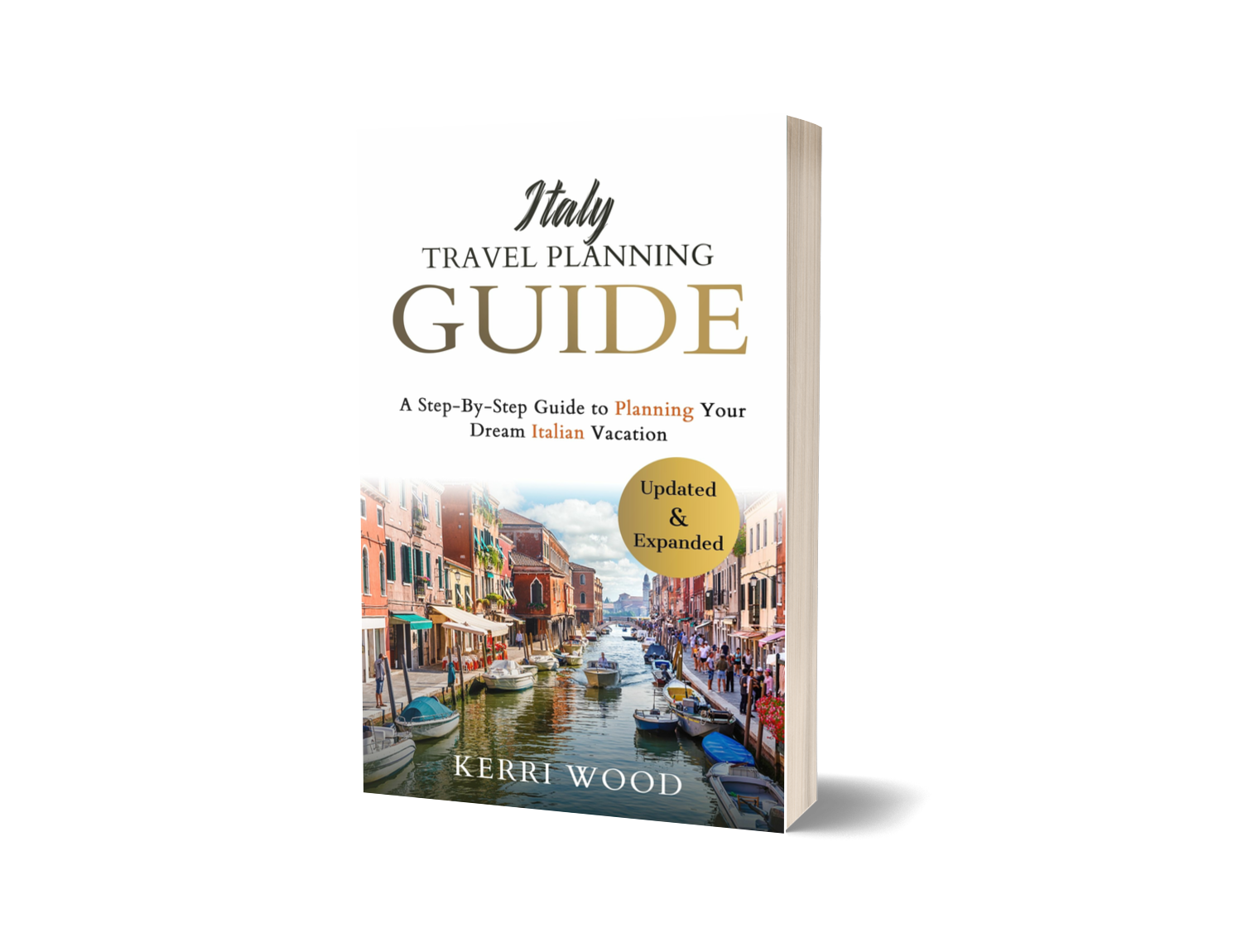
And if you want the full system for planning your trip, from transportation and timing to hotels, dining, and logistics, the Italy Travel Planning Guide goes much deeper and helps you feel confident every step of the way. (Click the title of the book in green above, or the image of the book below to purchase).
When you purchase the Italy Travel Planning Guide (Paperback), you get 2 bonuses. First, the Travel Planning downloadable PDF, and second, you get the Travel Planning Dashboard Spreadsheet to keep all your information ready and keep your budget. All 3 for just $23.99, including shipping.
Italy is meant to be savored. With a little preparation, it’s even better.